

Differences between at-home and in-practice euthanasia
At-home vs in-practice euthanasia: what’s different, what’s the same, and how to choose
Making the decision to say goodbye to a beloved pet is one of the hardest moments in a family’s life. When the time comes, many owners also face another difficult question: should euthanasia happen at home or at the veterinary practice?
At Cloud 9 Vets, we specialise in compassionate at-home euthanasia, but we also believe it’s important to talk honestly about both options, because the “right” choice is the one that best supports your pet’s comfort, your family’s needs, and the circumstances on the day.
We’ll walk you through the key differences (and what doesn’t change), plus a few gentle resources if you’d like to read further.
What stays the same in both settings
Whether euthanasia is carried out at home or in practice, the goal is identical: a peaceful, painless passing, with your pet’s comfort as the priority.
In most cases, the process includes a sedation injection first, to help your pet relax and become very sleepy, followed by a second medication that allows them to pass gently.
It’s also normal for families to worry about what they might see or hear. Sometimes, as a pet becomes unconscious, there can be a deep breath, a sigh-like exhale, or small muscle twitches, which are involuntary reflexes, not signs of pain.
You can read more about the process here https://cloud9vets.co.uk/pet-euthanasia-2/
The biggest differences: environment, logistics, and pace
1) Familiarity and stress levels
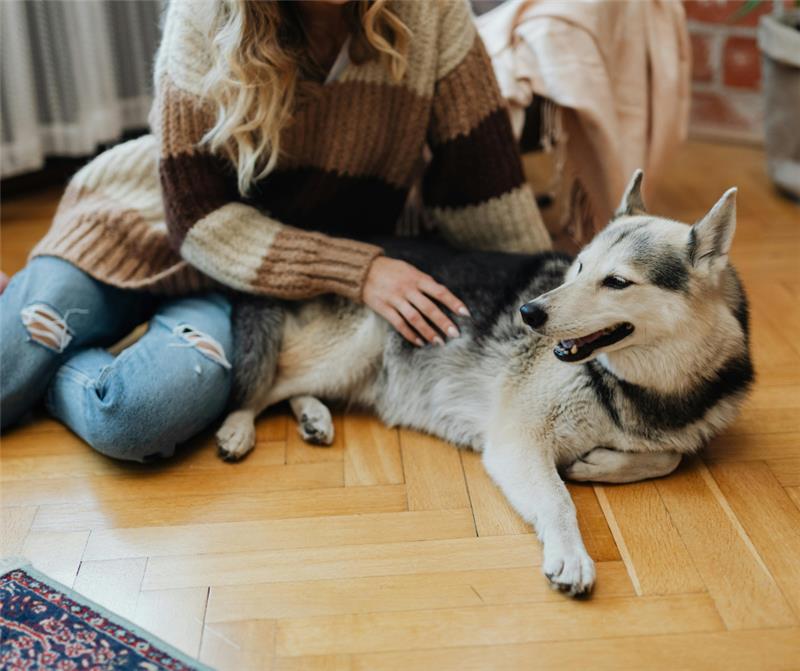
At home, your pet can remain in a familiar place, on their own bed, in a favourite corner, surrounded by familiar smells and people. Many owners choose this specifically to avoid the stress some pets feel when travelling, entering a clinic, or being in an unfamiliar consultation room.
In practice, some pets remain calm and comfortable, especially if they’ve had positive experiences at their vet. For others, particularly anxious pets, cats who hate carriers, or dogs who struggle with car journeys, the practice can feel overwhelming on an already difficult day.
2) Time, privacy, and how “rushed” it feels
One of the most meaningful differences families describe is time pressure.
At-home euthanasia is typically arranged to allow a calmer pace: time to talk things through, ask questions, and say goodbye in privacy.
In-practice euthanasia can still be gentle and unhurried; many practices do a wonderful job. But depending on the day, it may be harder to guarantee the same level of quiet, privacy, or extended time (for example, emergencies may arrive unexpectedly).
3) Practicalities for your pet (and you)
At home can be especially helpful if your pet:
- Is very weak or painful to move
- Is large and hard to lift
- Becomes distressed during travel
- Has mobility issues or severe arthritis
In practice may be more practical if:
- Your pet’s condition is changing rapidly, and you are already at the clinic
- It’s an urgent situation where immediate medical support is needed
Family involvement and emotional needs
Who can be present?
At home, it’s often easier for the whole family to be together, including children if you choose so, and sometimes other pets (where appropriate). It can also make it simpler to create a goodbye that feels “like you” with quiet music, a favourite blanket and familiar routines.
In practice, some families appreciate having emotional support from a team they already know well. Others prefer the boundary of a clinic setting; it can feel easier to step away afterwards, rather than associating home spaces with the moment of loss.
Should you stay with your pet?
This is deeply personal. Some people want to be present to offer comfort and to feel closure; others don’t feel able, and that’s okay. There isn’t a single “right” way; only what feels right for you.
If this is something you’re weighing up, you may find this helpful https://cloud9vets.co.uk/dog-euthanasia-right-time/
Aftercare considerations (cremation, burial, keepsakes)
Aftercare planning is another area where home vs clinic can feel different.
With at-home euthanasia, families often appreciate being able to:
- Spend quiet time with their pet afterwards
- Discuss cremation or burial options in a calmer setting
- Think about keepsakes (paw prints, fur clippings, etc.) with less pressure
With in-practice euthanasia, aftercare is often streamlined: clinics commonly handle cremation arrangements directly, and some owners find it easier to leave those logistics with their regular vet team.
If you’d like a gentle guide to planning and preparation for an at-home pet euthanasia, this article is a good next read https://cloud9vets.co.uk/creating-a-peaceful-goodbye-preparing-for-at-home-pet-euthanasia/
How to decide: a checklist
At-home euthanasia may suit you if you’re hoping for:
- Minimal travel and stress for your pet
- More privacy, quiet, and time
- The comfort of familiar surroundings
- A goodbye involving the whole family at home
In-practice euthanasia may suit you if:
- Your pet is already under your clinic’s care that day
- You prefer the structure and support of the practice setting
- The situation is urgent or medically complex
- Home logistics make a calm visit difficult
If you’re unsure, it can help to talk it through with our care coordinators; sometimes the “right” choice becomes clearer once you’ve described your pet’s routine, temperament, and needs.
Further reading from our recent blogs
If you’d like more support (before and after euthanasia), these may help:
And you can browse the full list here https://cloud9vets.co.uk/latest-blogs/