

Amber Weather Warning: Rising temperatures and older or unwell pets – Cloud 9 Vets’ Guide to Caring for Unwell or Older Dogs and Cats
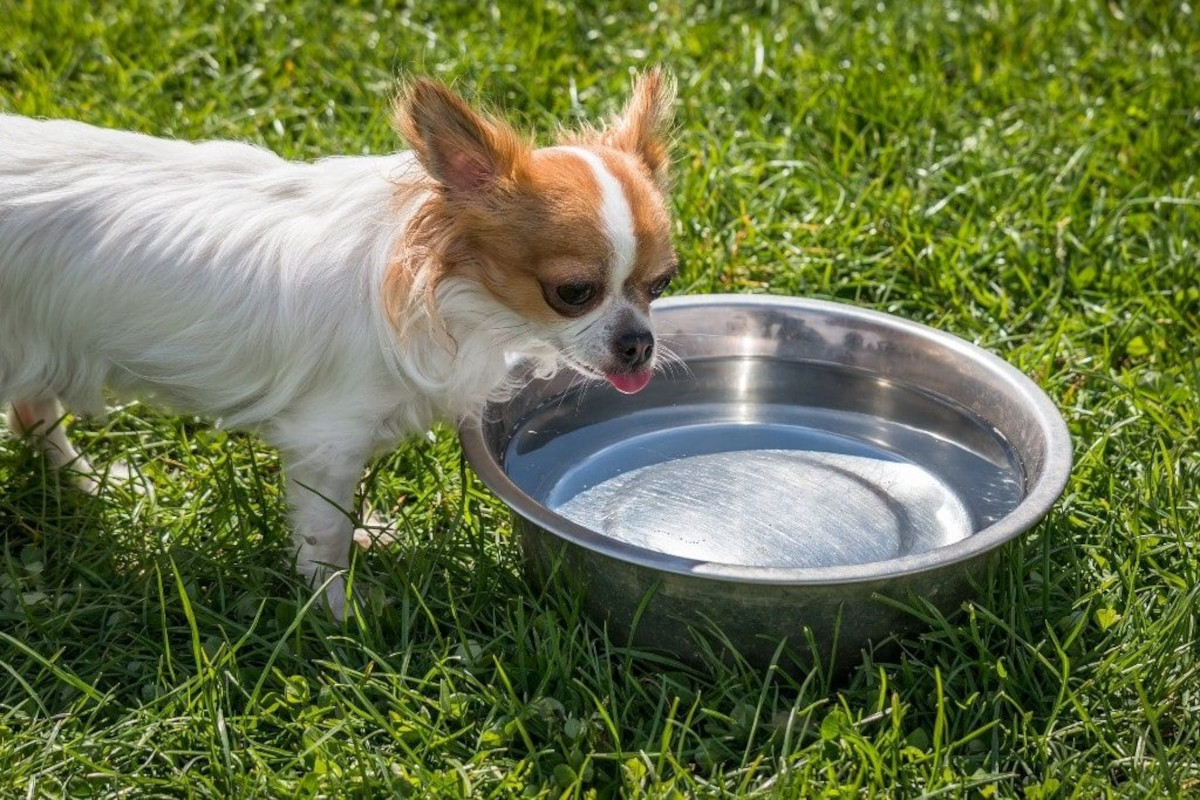
Older or sick pets are much more vulnerable to hot weather. Because seniors and pets with chronic illnesses (such as heart disease, kidney issues, or respiratory conditions) cannot regulate their body temperature as efficiently as younger animals, summer heat waves can quickly become life threatening issue.
1. Why Heat is More Dangerous for Older or Unwell Pets
As pets age, their internal biological cooling mechanisms degrade.
- The Heart Strain: To cool down, a pet’s body pumps blood rapidly to the skin to dissipate heat. For a dog or cat with early or advanced heart disease, this extra cardiovascular workload can trigger sudden congestive heart issues.
- Respiratory Compromise (Brachycephalic Breeds): Senior pugs, bulldogs, or Frenchies – as well as pets suffering from laryngeal paralysis – already have restricted airways. Heavy panting may cause their throat to swell, limiting their oxygen intake.
- Dehydration & Kidneys: Older cats and dogs frequently have compromised kidney function. Dehydration thickens the blood, reducing blood flow to the kidneys and rapidly accelerating renal failure.
2. Subtle Signs of Heat Distress to Watch For
Most owners know to look for heavy panting, but senior or sick pets often exhibit much more subtle, easily missed warning signs:
- Extreme Lethargy or “Staring”: A pet that seems suddenly unresponsive, dazed, or is staring blankly into space may be experiencing early heat exhaustion.
- Bright Red or Pale, Dry Gums: Healthy gums are pink and moist. Dark red, purple, or conversely, tacky and pale gums indicate poor circulation and dehydration.
- Loss of Balance or Weakness: If an older dog’s hind legs suddenly become wobbly or they collapse after a brief walk, their core temperature is dangerously high.
- Vomiting or Diarrhoea: Sudden gastrointestinal distress in hot weather can be a major red flag for heat stroke.
3. Proactive Care Strategies for Owners
Modify the Walk Routine
- The 5-Second Rule: If the pavement or asphalt is too hot to press the back of your human hand against for 5 seconds, it will severely burn an older dog’s paw pads.
- Shift the Clock: Walk senior dogs exclusively before 7:00 AM or after the sun sets. Midday convenience breaks should be limited to less than 2 to 3 minutes just to do their business.
- Try to avoid: asphalt and paved outdoor areas hold heat much more, than grass, try to keep to the cooler surfaces.
Create “Micro-Cooling” Zones Indoors
- Ventilation is essential: Cool areas of then house are good places to rest indoors, maybe a basement or a north facing room, make sure there is good ventilation and fresh air circulating in the room.
- Cooling Mats and Damp Towels: Perhaps consider pressure-activated cooling mats in their favourite sleeping spots. Alternatively, put down damp (not freezing cold) towels for them to rest on.
Hydration Tactics
- Multiple Water Stations: Older pets with arthritis may refuse to get up to drink if the water bowl is across the house. Place multiple water bowls directly next to their favoured resting areas and any cool or shaded area.
- Add Flavour: Encourage drinking by possibly adding a splash of low-sodium bone broth or tuna juice to their water or offer ice cubes made of broth as a hydrating treat.
4. Emergency First-Aid: What to Do While Rushing to the Vet
If despite your efforts you suspect heat stroke, time is not your friend. Act immediately taking these actions, before putting your pet in your car:
- Move to Shade: Get the pet out of the heat immediately.
- Use Lukewarm Water: Wet the pet’s fur with lukewarm or cool water – do not use ice-cold water or ice baths. Ice-cold water causes the blood vessels in the skin to constrict, which ironically may trap heat inside the pet’s vital organs.
- Target Key Areas: Focus the cool water or damp cloths on the groin, armpits, and paw pads.
- Turn on the Car A/C First: Let the car cool down completely before loading the pet into it to visit your Vet.
Author Amber Synnott, FCMA CGMA Co-Founder Cloud 9 Vets
Fact checked by Cloud 9 Vet – Dr. Alessandro Didiano MRCVS